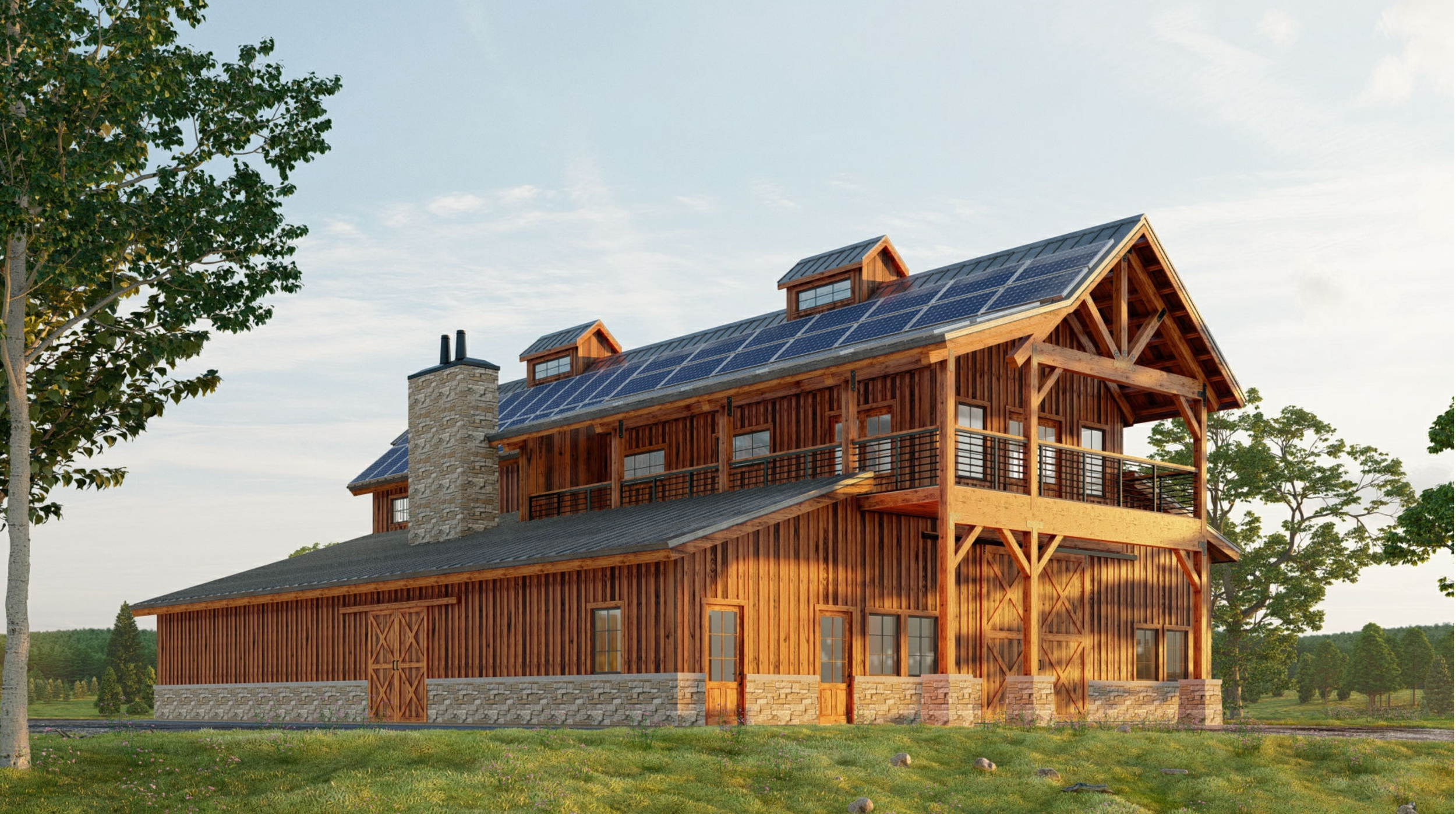
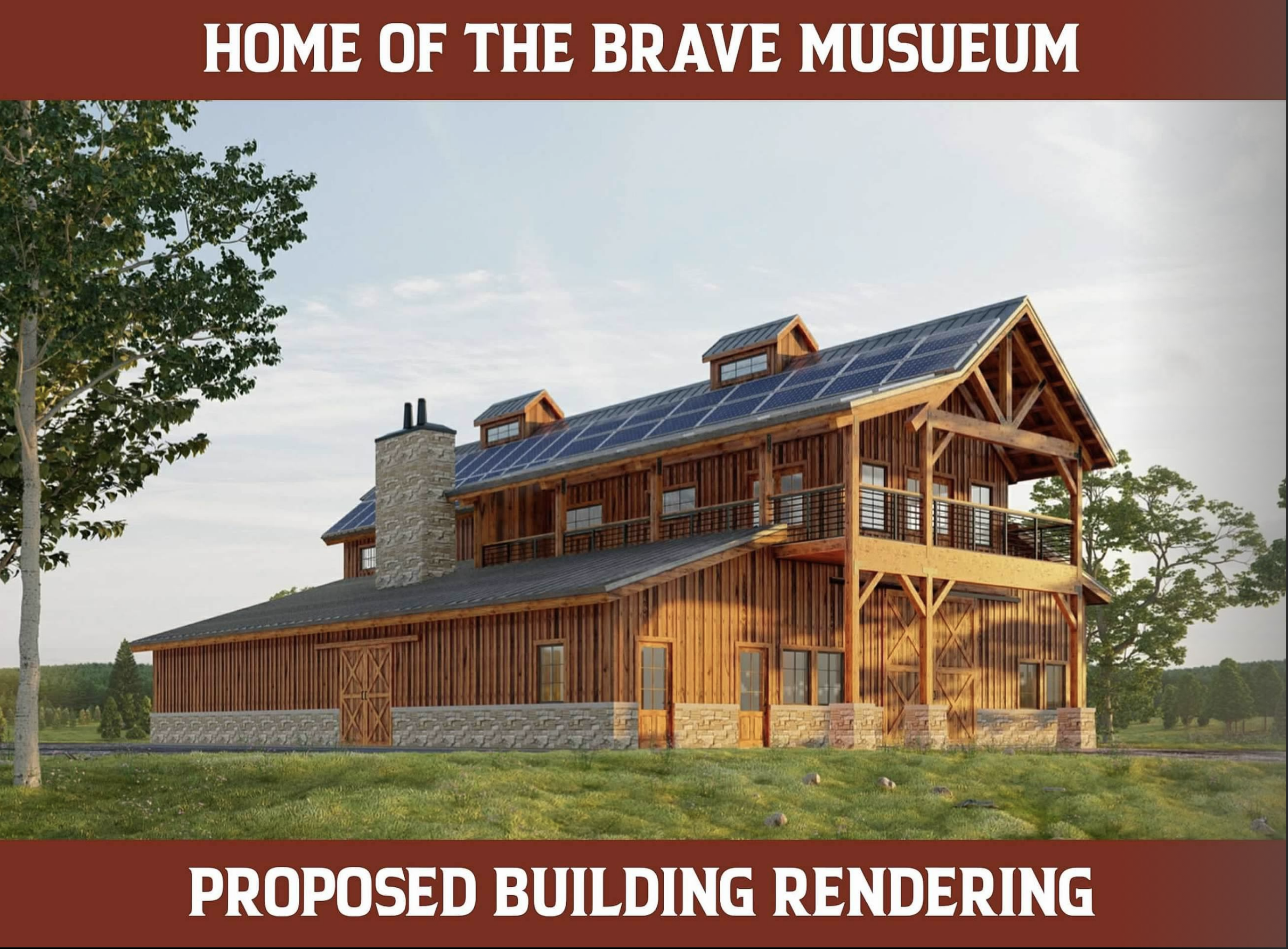
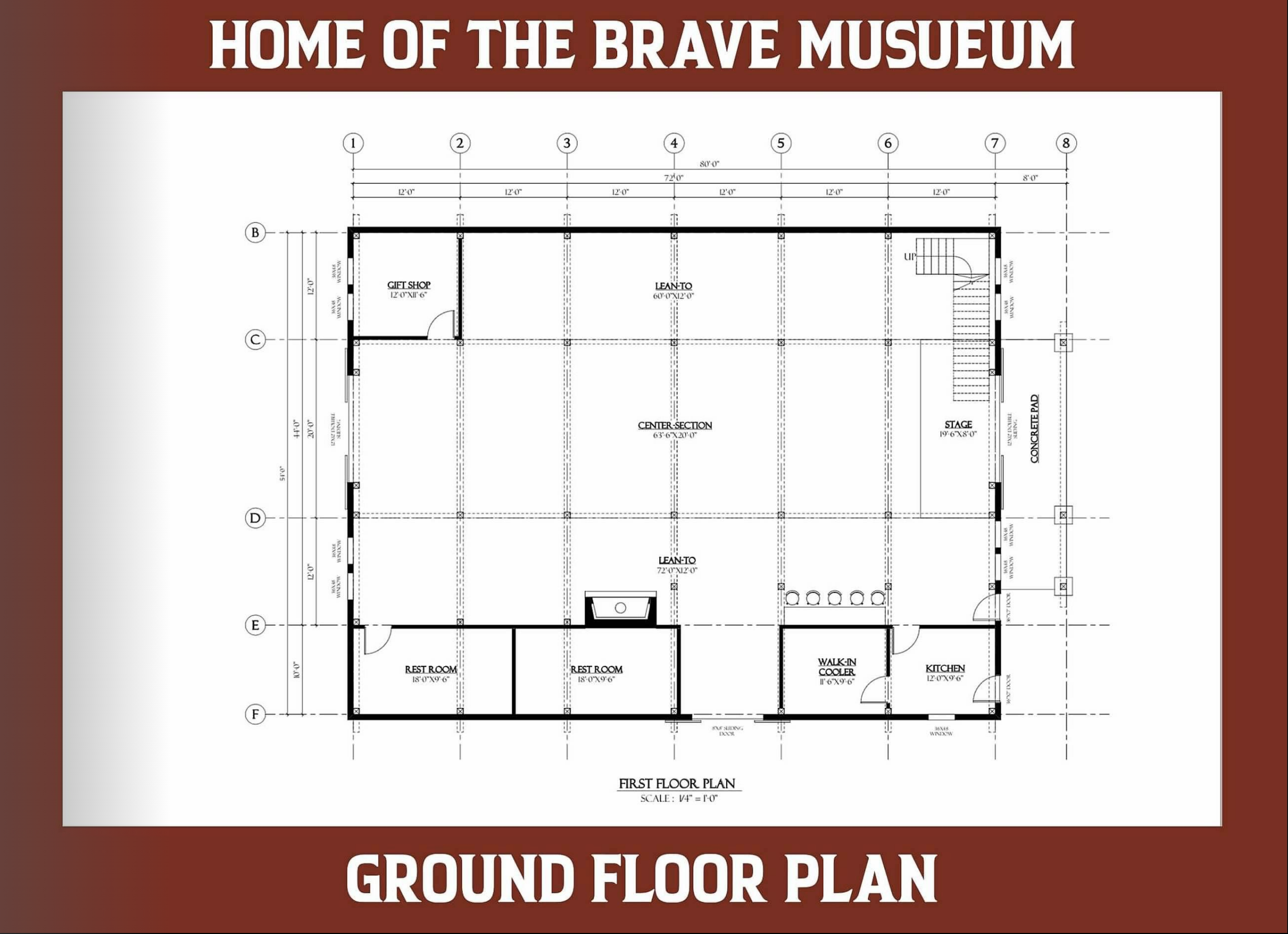
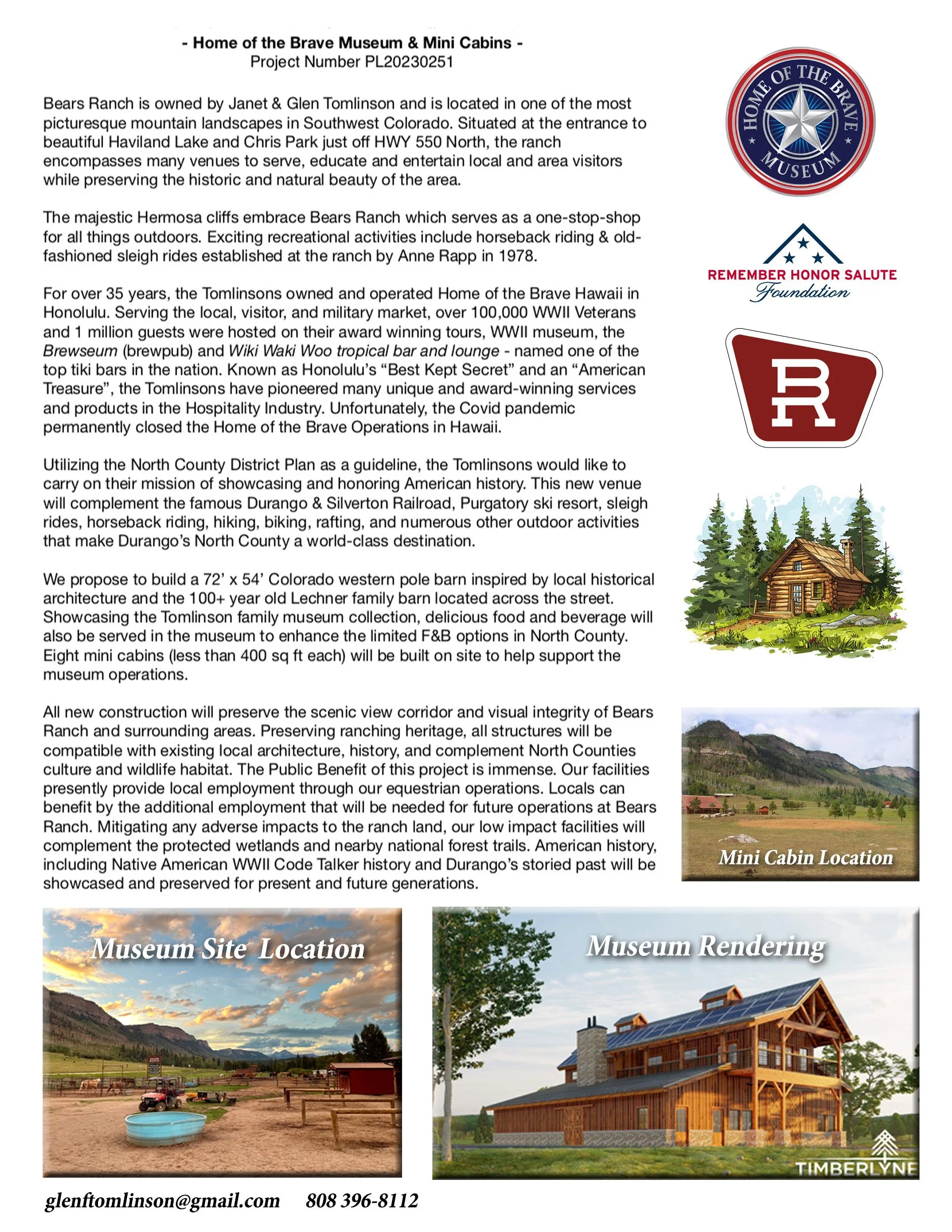
Home of the Brave American Heritage Center
FOUNDATION & HISTORY
Home of the Brave began as a World War II museum founded by Janet & Glen Tomlinson in Hawai‘i, created for veterans and their families as a place of remembrance, education, and reconciliation. The museum became known for its personal storytelling, veteran-centered exhibits, and respectful presentation of history.
The Durango project represents the continuation and expansion of that mission — grounded in the American West and aligned with Colorado’s 150th anniversary and America’s 250th.
WHY THIS PROJECT EXISTS
The Home of the Brave mission is personal. Glen's uncle, Sergeant Tommy Tomlinson, was a World War II combat veteran whose story — like many of his generation — was carried quietly for decades. Together with the Pearl Harbor Survivors Association, Home of the Brave hosted over 100,000 WWII Veterans and over 1 million family members on their exclusive Home of the Brave military base historical programs - see website: homeofthebravehawaii.com
HOTB exists to ensure that those stories are preserved accurately and passed forward with dignity. It is about service, sacrifice, and responsibility to future generations — not politics, ideology, or controversy.
AMERICAN, COLORADO & WESTERN HERITAGE
While World War II is the central historical anchor, Home of the Brave places that story within the broader American experience, particularly as it relates to Colorado and the American West.
Key themes include:
• World War II military service and the home front
• Western heritage, land stewardship, and rural life
• Horsemanship, ranching, and working-land traditions
• The role of Colorado and the Four Corners region in America’s story
Bear’s Ranch already operates equestrian and Western heritage activities that align naturally with this educational mission.
INDIGENOUS HISTORY & WWII SERVICE
Home of the Brave recognizes that Indigenous history is inseparable from the American story. The project is actively working with Ute and Navajo partners to respectfully acknowledge their history and contributions, including Native American military service during World War II.
This includes:
• Recognition of Indigenous presence and stewardship of the land
• Education around Native American service in WWII, including the Navajo Code Talkers.
• Collaboration focused on accuracy, respect, and shared history
This is not symbolic or political — it is historical preservation.